
Key takeaways
- Every firm faces the same headwinds — what differs is the story the owner tells about them.
- The "victim" explanation places every cause outside the firm, and quietly ends the conversation.
- The "victor" explanation asks what's still within your control — reopening every door the first one closed.
- Ownership isn't self-blame: blame looks backward and asks whose fault it is; ownership looks forward and asks what you'll do about it.
Sit across from enough accounting and advisory firm owners and you start to notice something. Two firms can operate in the same city, chase the same clients, and fight the same talent shortage — and end up in completely different places. One is building capacity and raising fees with confidence. The other is working longer hours for thinner margins. The market didn't choose between them. A mindset did.
Two ways to explain the same problem
Every firm owner runs into the same headwinds — a tight labour market, clients who resist price increases, and compliance that grows heavier every year. What separates owners is the story they tell about those headwinds.
The victim explanation puts the cause outside the firm: "We can't find good people." "Clients won't pay more." "The regulators keep moving the goalposts." Each statement may be factually true. The problem is that every one of them ends the conversation. If the cause is entirely external, there is nothing left to do but endure.
The victor explanation starts from a harder question: given that the labour market is tight, that clients push back, that compliance is heavy — what is still within my control? That single reframe reopens every door the first one closed.
The facts don't change. What changes is whether you treat them as a verdict or as the starting conditions for your next decision.
What this looks like in a real firm
Take the staffing shortage — the complaint I hear most. The victim version stops at "nobody wants to work in tax anymore." The victor version accepts the shortage as a given and asks a different set of questions: Why do our best people leave? What work could we stop doing, automate, or move up-market so we need fewer hands? What would make us the firm a strong senior actually wants to join?
Same shortage. One owner is stuck waiting for the labour market to fix itself. The other is redesigning the firm so it depends less on heroics — better realization, tighter client selection, and a clearer path for the people they already have.
Ownership is not self-blame
This trips people up, so it's worth being precise. Taking ownership is not the same as taking the blame. Blame looks backward and asks whose fault it is. Ownership looks forward and asks what I'm going to do about it. You can be completely clear-eyed that the conditions are unfair and still refuse to hand them the power to decide your outcome.
The firms that scale are not run by people who pretend the headwinds don't exist. They're run by people who have simply stopped waiting for the headwinds to disappear before they act.
A question to sit with
Next time you catch yourself explaining a stuck part of the firm, listen to where you place the cause. If the sentence ends outside your four walls — the market, the clients, the regulators, the generation — pause and ask the victor's version: given all of that is true, what is the one move that is still mine to make?
That question, asked honestly and often, is most of the work. The rest is follow-through.
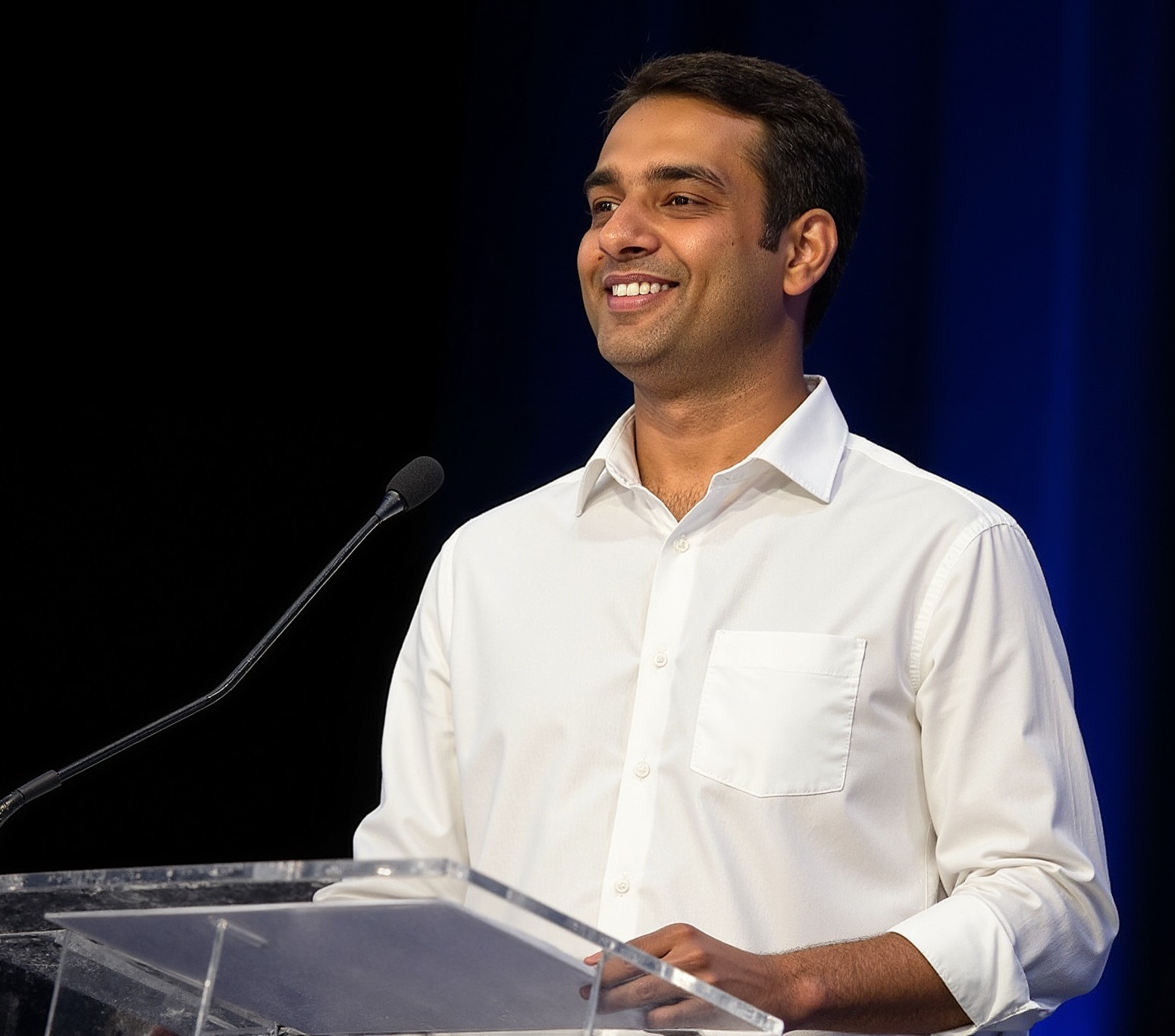
Saurabh Seth
A Focal Point certified business coach who works with CPA and accounting firm owners across Canada. Drawing on 20+ years leading global transformations at EY, JPMorgan Chase, and UnitedHealth Group, Saurabh helps firm owners build practices that run without depending on them.