
Key takeaways
- Success stories show the outcome, not the uncertainty — the failure is usually sitting at the center of them.
- Most people don't fail because they're incapable; they fail because they hesitate, overthink, and wait too long.
- The skill that matters isn't fearlessness — it's recovery: how quickly you regain perspective and take the next shot.
- The better question isn't "How do I avoid failure?" but "What fear do I need to face next?"
Most success stories leave out the most important part: the failure. We see the promotion, the award, the revenue milestone, the perfect launch, the smiling team photo. What we rarely see are the sleepless nights, the wrong hires, the failed pitches, and the seasons where nothing seems to work. In a culture that celebrates outcomes and hides process, the fear of failure gets amplified — and quietly runs a lot of leaders' decisions.
Why failure stories matter more than success stories
I was recently in a room where three leaders took turns sharing their biggest professional failures — out loud, unvarnished. What struck me most wasn't the failures themselves; it was the honesty in the room. No polished TED talks, just raw accounts of what went wrong, what they learned, and how they came back. It was more useful than a hundred highlight reels, because it showed the part we usually never get to see: the doubt, the setback, and the decision to keep going anyway.
Success stories are incomplete. They show the applause, not the anxiety; the arrival, not the internal battle when things were falling apart. Failure stories are where the real gold is.
"Failure is a prerequisite for great success. If you want to succeed faster, double your rate of failure." — Brian Tracy
Failure is usually sitting inside the win
This isn't about glamourizing failure. It's that most people quit too early — they treat a setback as a stop sign instead of a data point. Look closely at careers you admire and failure is right at the center of them:
- Bill Gates and Paul Allen — their first venture, Traf-O-Data, flopped, but the technical and business lessons helped pave the way to Microsoft.
- Jack Ma — has spoken openly about failing entrance exams, being rejected by Harvard ten times, and being turned down for jobs, all part of the persistence that shaped his path.
- Roger Federer — told Dartmouth graduates that across 1,526 singles matches he won almost 80%, but only 54% of the individual points. You don't have to win every point to win the match.
The real skill is recovery, not fearlessness
People rarely fail because they're incapable. They fail because they hesitate — they wait too long, overthink, and avoid the uncomfortable conversation or the bold decision because they're afraid of looking foolish or getting it wrong. Growth belongs to the people willing to act before they feel fully ready. So success isn't about avoiding failure; it's about how quickly you recover from it:
- How quickly do you regain perspective?
- How quickly do you stop making it personal?
- How quickly do you take the lesson and move forward?
Not fearlessness, but recovery. Not perfection, but resilience. Not pretending you never failed, but learning to move through it without letting it own you.
The question worth asking
The next time you see someone's polished win online, remember you're seeing the highlight, not the whole story. The struggle was real, the fear was real — the difference is that at some point they decided to move again. So maybe the question isn't "How do I avoid failure?" A better one is: what fear do I need to face next? Because on the other side of that fear is usually the next version of your growth, your leadership, and your success.
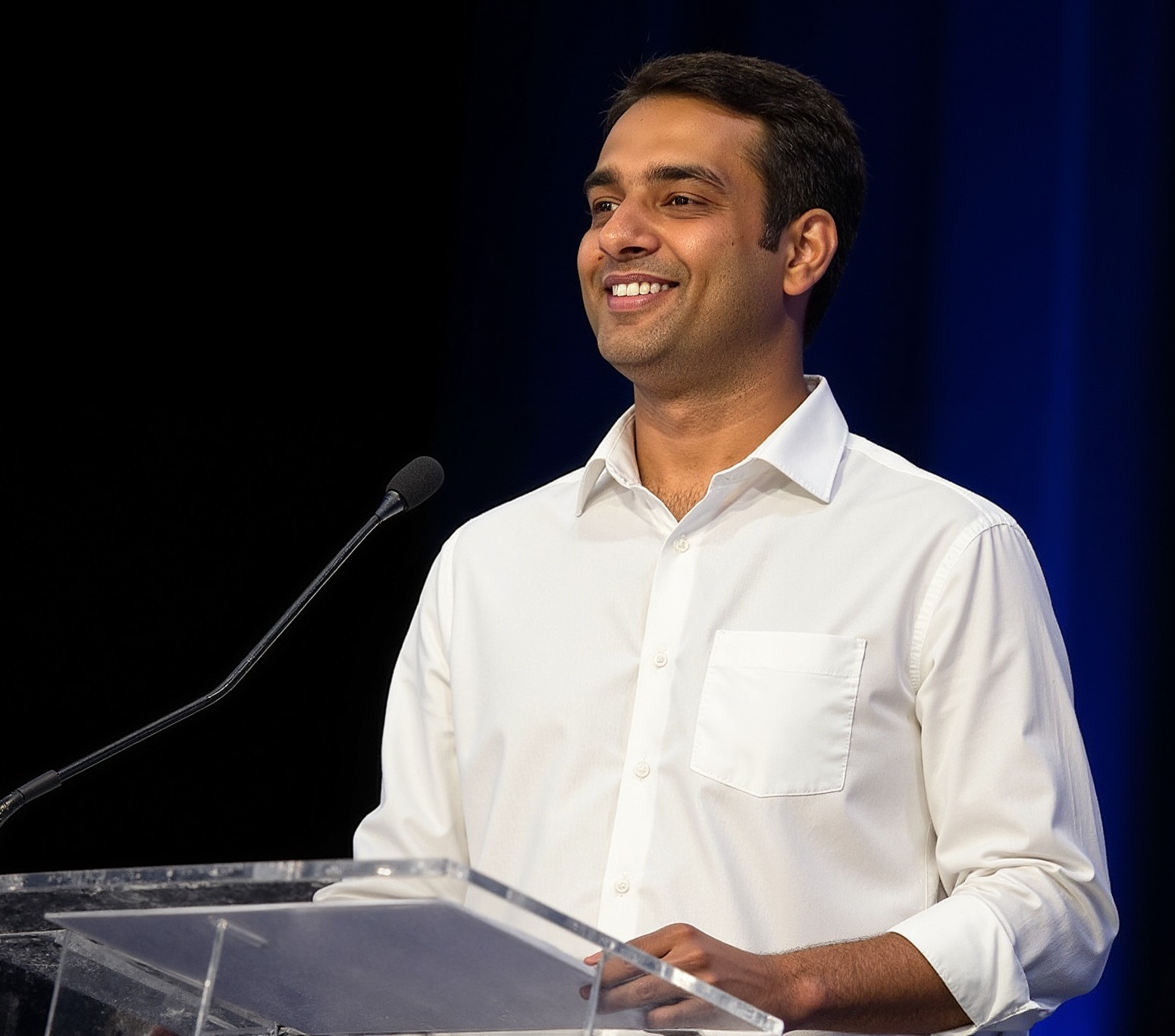
Saurabh Seth
A Focal Point certified business and executive leadership coach. Drawing on 20+ years leading global transformations at EY, JPMorgan Chase, and UnitedHealth Group, Saurabh helps founders and executives sharpen strategy, build resilience, and lead organizations that grow with focus and balance.
.webp)